AI training for the whole organisation, run as a program, not a seminar.
One workshop can change a team. Changing an organisation takes more: knowing where you stand, setting clear rules, training each department on its own work, and measuring what actually changed. That is what our corporate AI training is.
What makes corporate AI training different from a workshop?
Scale and follow-through. A single workshop trains one team on their own work. A corporate program starts with a readiness review, sets a clear usage policy, trains each department on its own jobs, and then measures the time actually saved, so the change sticks across the whole organisation.
The failure mode is familiar: an all-staff seminar, a burst of enthusiasm, and six months later three people in marketing use AI and everyone else has gone back to normal. That is not a people problem. It is what happens when training is an event instead of a program.
If you are still weighing providers, from universities to the big consultancies, our guide to AI training options in Australia compares them honestly.
What does the program include?
Four parts: a readiness review of where AI helps your organisation first, a plain-language usage policy so nobody is guessing what is allowed, hands-on workshops for each department built on that department's real work, and before-and-after measurement on named jobs, reported to leadership.
| Part | What it does |
|---|---|
| Readiness review | Finds where AI helps first, what tools fit, and what is in the way |
| Usage policy | Plain-language rules on what goes into AI tools and what never does |
| Department workshops | Each team builds on its own real work: finance on the close, sales on proposals, operations on reporting |
| Measurement | Before-and-after on named jobs, reported to leadership |
In deliverables, that means four things you can hold:
- A readiness report
- A one-page usage policy
- A workshop plan for each department
- A leadership report with the measured time saved
If the leadership team wants the picture before committing to a program, start with an executive briefing.
Buying licences is not a strategy. The organisations getting value from AI decided who would use it, for what, under what rules, and then trained people properly. That is a program, not a seminar.
How do you measure whether the training worked?
We pick named jobs before we start, the month-end close, proposal drafting, meeting follow-ups, and time them before and after. Add how many people are actually using the tools each week, and leadership gets a straight answer on what the program returned, not a feedback form about the catering.
Teams we train typically report saving four to six hours a person each week within a month of the workshop. Treat that as typical rather than promised: your program reports your own before-and-after numbers, not ours.
Which AI tools do you train on?
Whichever mix fits your organisation: ChatGPT as the all-rounder, Microsoft Copilot for offices that run on Microsoft 365, and Claude for document-heavy departments. Most organisations end up with a mix, and the readiness review is where we work that out honestly.
How the program runs
Department by department, so it fits around real work.
Readiness review
We look at how the organisation works now, where the repetitive load sits, and which tools fit. You get a clear picture before anyone is trained on anything.
Policy and plan
A short, plain-language AI policy your staff will actually read, and a rollout plan that says which department goes first and why.
Department workshops
Each team gets a hands-on workshop built on its own jobs. People leave with working setups on their real work, not notes from someone else's example.
Measure and embed
We measure the named jobs before and after, report the result to leadership, and leave behind the habits and the policy that keep it going.
Does every department get the same session?
No, and that is the point. Finance automates parts of the close, sales drafts proposals, HR handles position descriptions and onboarding paperwork, operations builds its reporting. Each workshop is built on that department's real work, because generic examples are why the last training did not stick.
Common questions
How long does a corporate AI training program take?
It runs department by department, so it fits around real work rather than stopping it. Most programs run over weeks, not days, and the pace is set by how many departments you want covered and how fast you want to move.
What is the format of each department workshop?
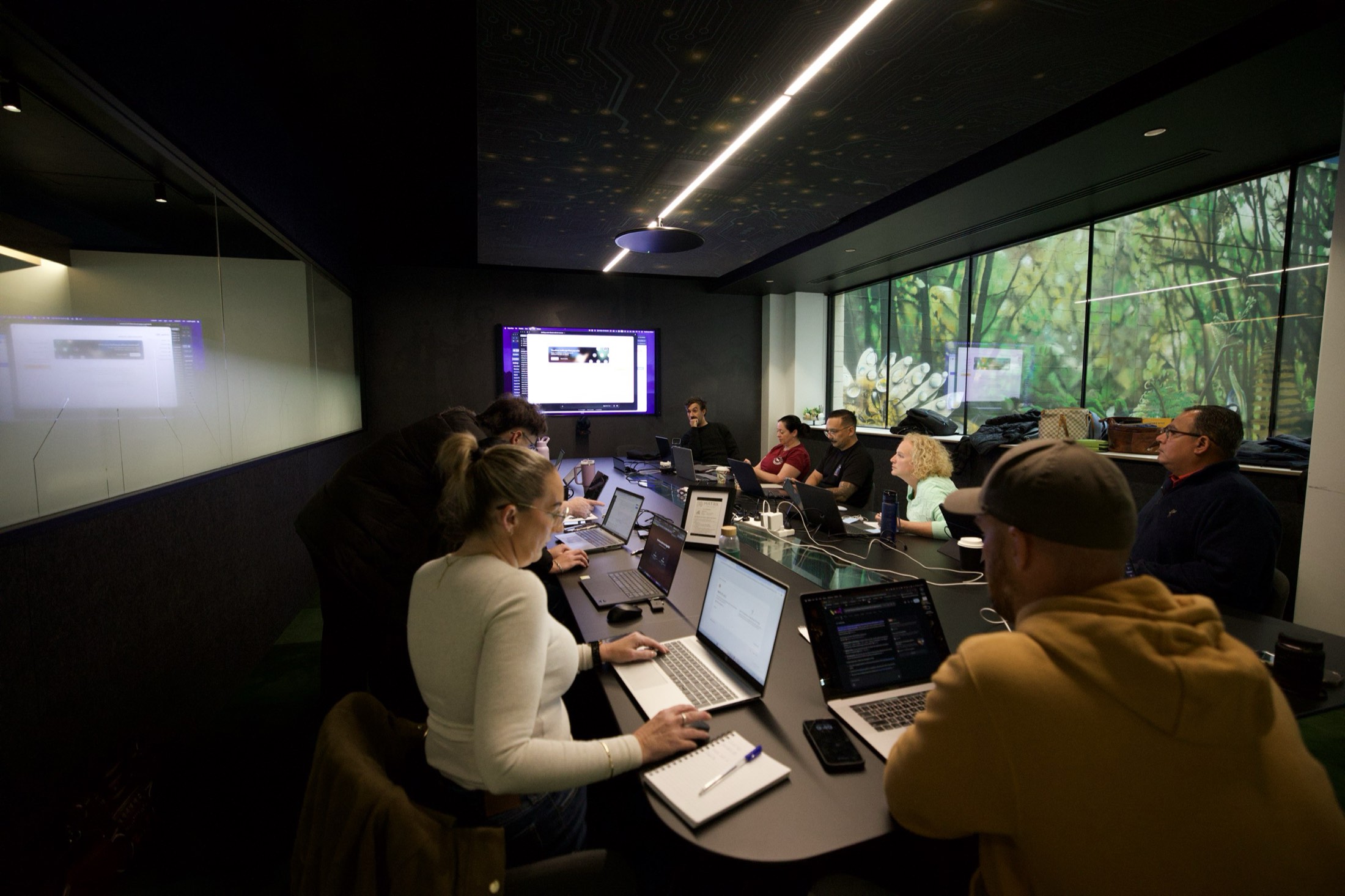
Workshops run in half-day or full-day formats, for groups of six to twelve, onsite in Perth or live remote Australia-wide. We send a short IT checklist beforehand, accounts provisioned and sample documents approved, so each session is all hands-on.
Who delivers a rollout across ten departments?
Kristian leads every program personally. Workshops run in departmental waves, two or three departments a fortnight, with the same facilitator across every wave so nothing is lost between them.
Do you help write our AI usage policy?
Yes. We draft a plain-language policy with you that says what can go into AI tools, what never does, and who to ask. Staff follow rules they can understand, so we keep it short and practical.
Can you run the program across multiple sites?
Yes. Workshops run in person and remotely, so a multi-site or national organisation can be covered without flying everyone to one room. We are Perth based and work Australia-wide.
Updated 6 July 2026
Related
Ready to roll AI out properly, across the whole organisation?
Tell us how your organisation works and we will map out a program: readiness, policy, department workshops and measurement. In plain language, with no pitch.