We trained their team. Their operations manager built the quoting system.
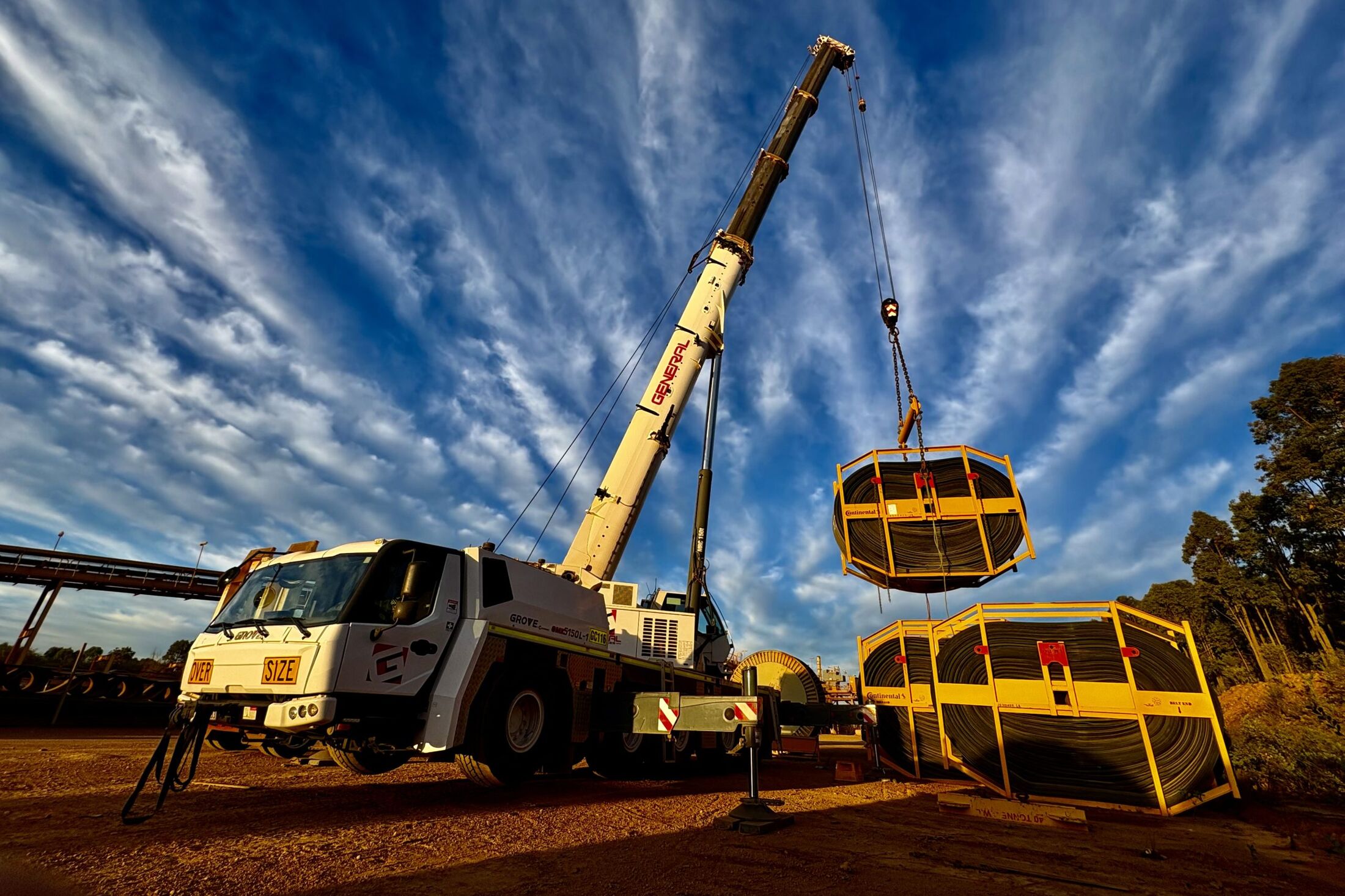
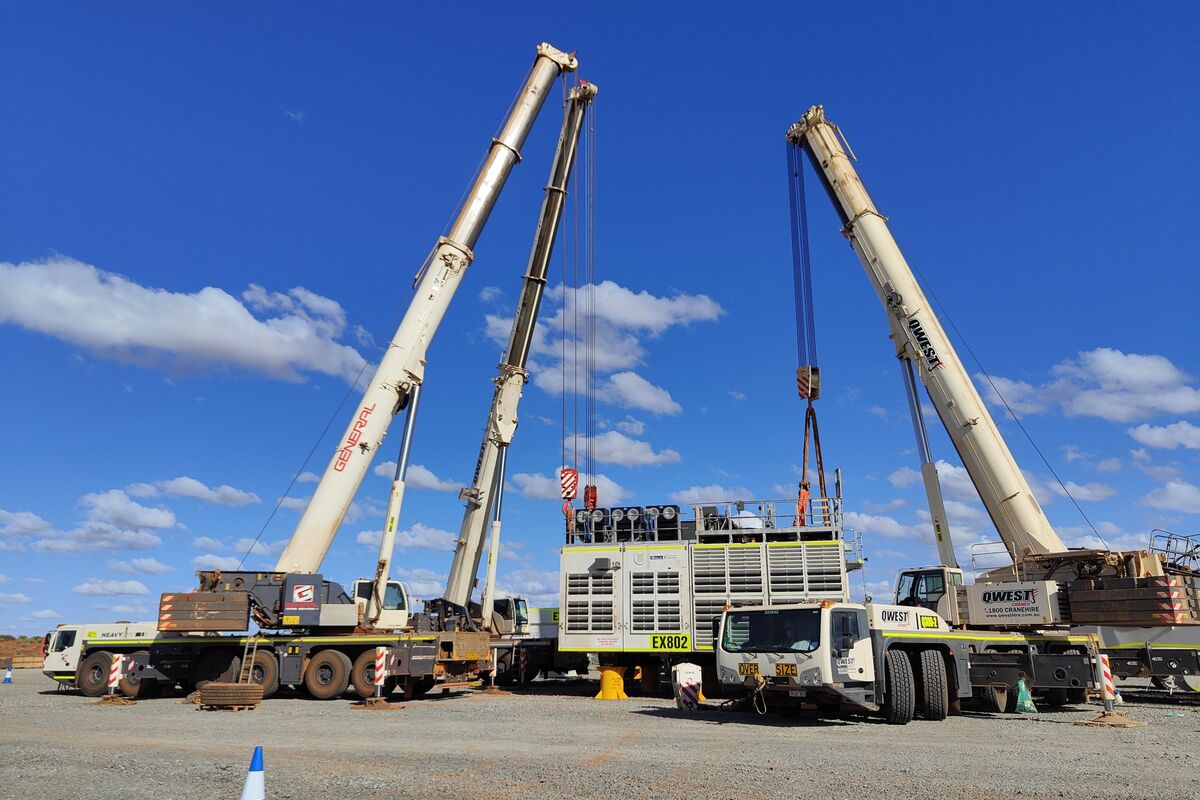
General Crane Services hires cranes and crews across Western Australia, from metro lifts to tier-one mine sites. Two of their senior leaders came to our one-day AI workshop, and the company's new quoting system was started that same day. We reviewed it and locked it down, then built the job pipeline that follows every job from booking to payment.
Who built the quoting system?
Their own General Manager of Operations. Marlon came to our one-day AI workshop with the company's Chief Services Officer, and the first version of the quoting tool was written that same day. Over the next three weeks he built it out into the system the quoting team works from.
Crane quoting is hard to hand to an outsider. Every job is priced from contract rates, shift patterns, travel, crew, mobilisation and demobilisation, and the rules change between a metro lift, a South West job and a remote mine site. The person who knows those rules best is the person who has been applying them for years. Once he could build with AI, nobody needed to explain the job to him. He built what the business needed.
Probably the live environment, actually building and doing something that's relevant, not just a generic test exercise.
Why did quoting need fixing?
Volume. General Crane Services quotes constantly, for contract clients and one-off jobs, and every quote was put together by hand. As Marlon put it before the workshop, "we have a high volume of quoting to get back to customers in a quick time frame."
Rates lived in spreadsheets. Finding what a client paid last time meant digging through old files. Each quote then had to be built twice, once for the client and once as an internal costing, before it could go anywhere. Much of their work is booked under contract, so the quote sets the purchase order value. Getting it right matters as much as getting it out.
What does the quoting system do?
It reads the request, applies the company's quoting rules and prices the job from their own history. The team drops in the client's request, whether that is an email, a spreadsheet or a project schedule, and the system pulls out the site, dates and cranes, then builds the quote line by line for a person to check.
- AI reads requests for quote, including saved emails, spreadsheets and project schedules
- The company's own rules for operators, shifts, fly-in fly-out travel, mobilisation and night-shift stand-downs are applied automatically
- Previous quotes for the same client and crane size are matched from a history of 1,630 quotes across 349 clients
- Every quote comes out as a client-ready document with terms and acceptance, plus an internal costing sheet with a day-by-day grid
- A quote register shows every quote, its revisions and who issued it
- Separate builders cover major contract clients and one-off jobs in the metro area, the South West and the regions
- A home dashboard shows quote counts, year-to-date work by region, open requests and a map of the state
Where did Scalify come in?
Twice. First, we reviewed the quoting system before the whole business leaned on it, fixed what we found, and moved it to the company's own web address with staff signing in through their existing Microsoft accounts. Second, we built the back-office job pipeline with their Chief Services Officer.
A tool one person built in a few weeks is a great start, but a business cannot run on it until someone has checked who can get in, what a stranger could reach, and what happens when a sign-in expires. So we closed the common web security gaps, put every page behind a sign-in check, and fixed the sign-in so staff were no longer locked out mid-quote. Then we handed it straight back to the team who built it.
The best part is who built it. We trained their people, and their people built the tool. Our job was to check it over and lock it down before the whole business leaned on it. That is what AI adoption should look like.
What happens after the job is done?
That is the job pipeline. It takes the reports the team already exports, tracks every job stage by stage from booked to paid, and drafts the job cost report with the cross-checks done, ready for a person to approve.
Their Chief Services Officer had already built a set of AI workflows to produce job cost reports, the reconciliation of what was quoted against what actually happened. What the business lacked was one place to see every job and where it was stuck. We worked through the rules with her question by question, built the pipeline around her answers, and tested it against real job data before handing it over. Her team then moved it onto their own Azure environment themselves.
What changed for the business?
The quoting knowledge that lived in spreadsheets and people's heads now lives in a system the team built and owns. New quotes start from 1,630 past ones instead of a blank page, the client quote and the internal costing come out together, and every job after the quote has a tracked path to payment.
| Step | Before | After |
|---|---|---|
| Reading the request | Retyped by hand | Read by AI from the email, spreadsheet or schedule |
| Pricing | Dug out of spreadsheets and old files | Matched to previous quotes from their own history |
| Quote documents | Built by hand for each audience | Client quote and internal costing produced together |
| Quote records | Files on shared drives | A register of every quote, version and who issued it |
| After the job | Tracked across separate systems | One pipeline from booked to paid, with a person approving each job cost report |
| Access | Shared files | Company web address and Microsoft sign-in |
Could this work for other businesses that quote?
Yes, and the order matters. Train the people who know the work, let them build the first version, then bring in someone to check it and make it safe to rely on. Any business that quotes from its own rates and history, hire companies, fabricators, service contractors, can follow the same path.
We run the training that starts it and the review that finishes it. The middle part, knowing your business best, was always yours. We go deeper on both in automate quoting and corporate AI training.
Common questions
Did General Crane Services staff really build the quoting system themselves?
Yes. Their General Manager of Operations started it on the day of our workshop and built it out over the next three weeks, around the company's own rates, rules and quoting history. Scalify reviewed and secured it, and the team still owns and runs it.
Does the AI send quotes on its own?
No. The AI reads the client's request and the system builds the quote from the company's rules and past pricing. A person on the quoting team checks it and issues it, and the quote register records who did.
How was the system secured?
Scalify reviewed it before the wider business relied on it. We closed the common web security gaps, put every page behind a sign-in check, fixed the sign-in so expired sessions recover instead of locking staff out, and moved it to the company's own web address. Staff sign in with their existing Microsoft accounts.
What is a job cost report?
A job cost report is the reconciliation done after a job: what was quoted, what actually happened, and what should be invoiced. The job pipeline drafts it from the reports the team already exports, runs the cross-checks and holds it for a person to approve.
Updated 17 September 2026
More of our work
Still quoting by hand?
If your quoting lives in spreadsheets and people's heads, your team can build the system that replaces it, and we can make it safe to run. Tell us how quoting works in your business today, in plain language, with no pitch.