No AI in the business in July. Now its leaders run AI on their own systems.
Steel Frames WA designs, makes and installs light-gauge steel frames and trusses for homes and commercial builds across Western Australia. We audited the business on site and mapped five places AI could take work off the team. Then we set up the managing director, the finance lead and a team member with AI connected to the systems they already use.
What does Steel Frames WA do?
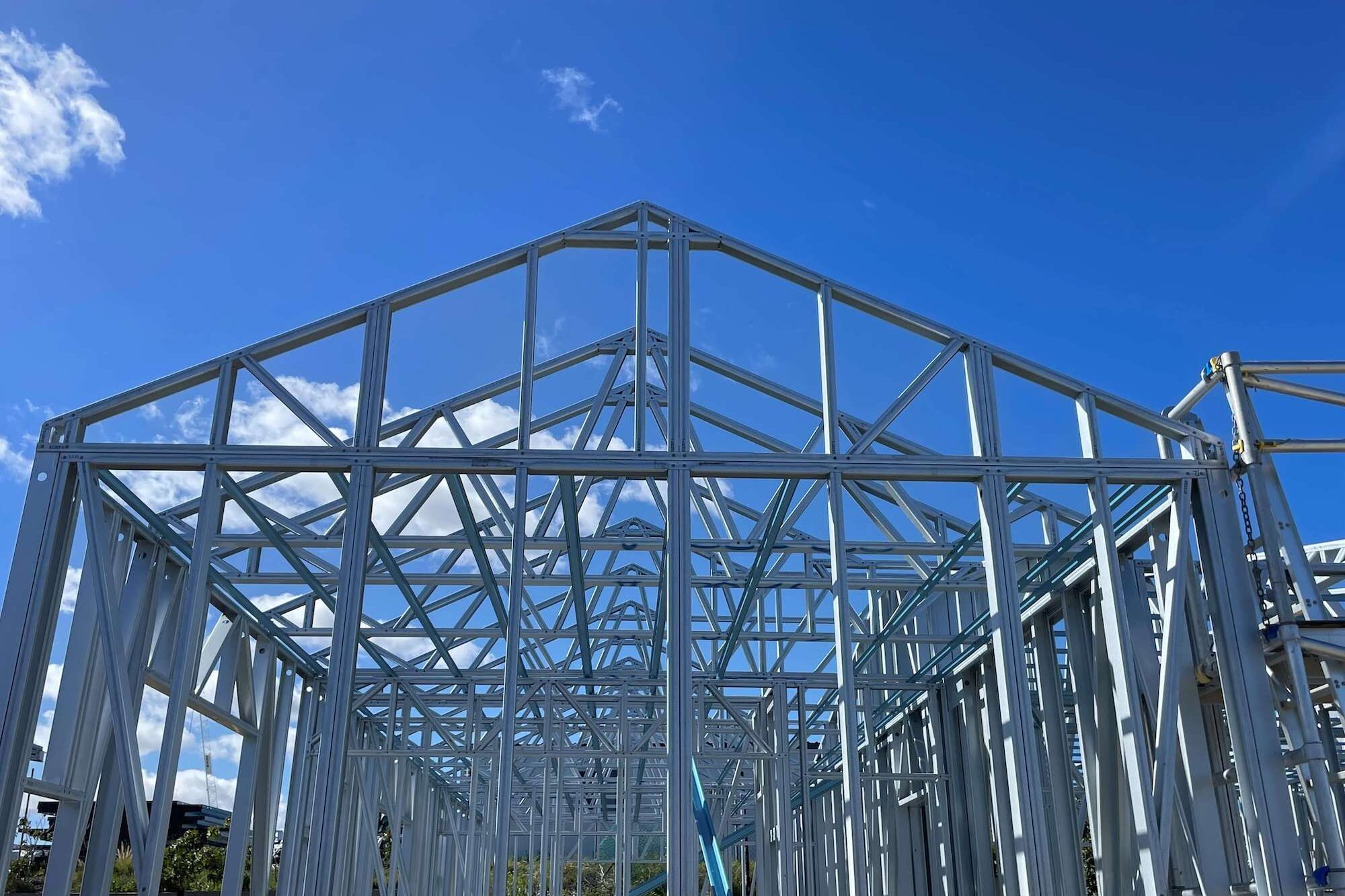
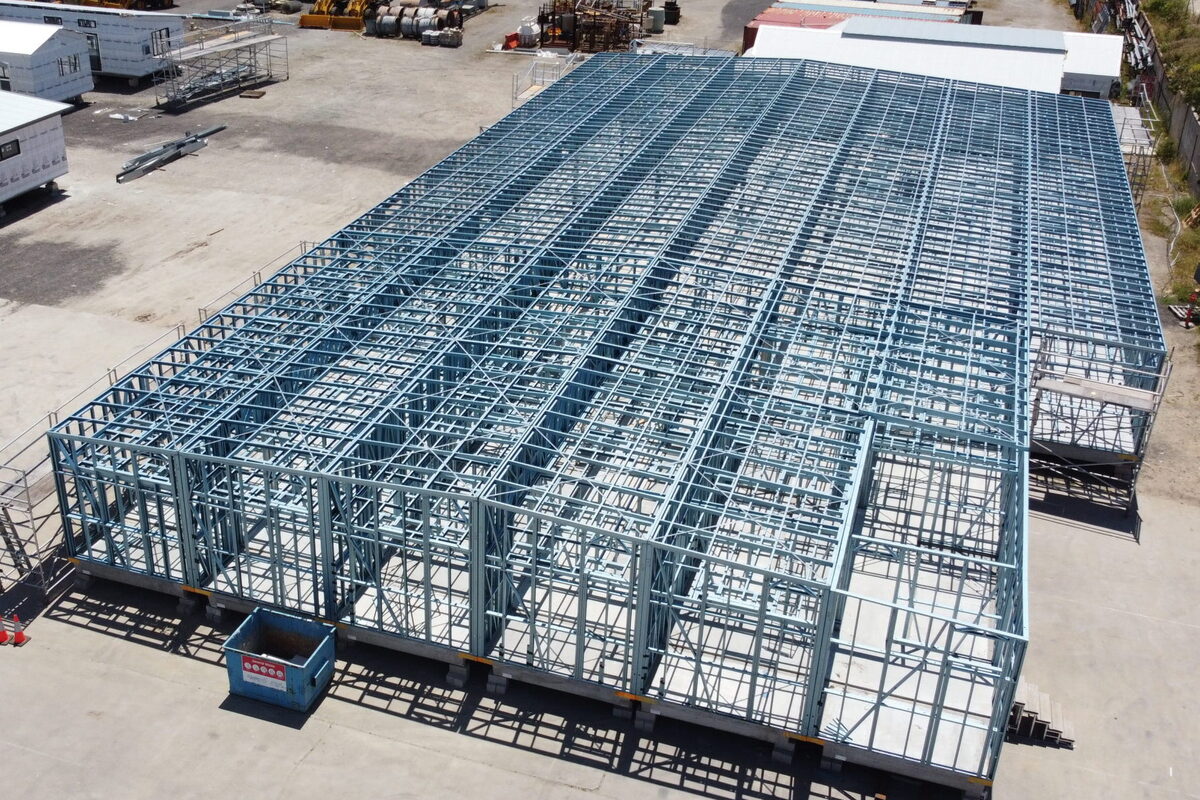
They design, manufacture and install light-gauge steel frames: wall frames, roof trusses, floor joists and battens. Their frames go into new homes and kit homes, and into commercial builds from fast food restaurants to childcare centres and modular buildings for remote sites.
Every job is custom. Spans, loads and weights change from one plan to the next, so every quote is worked up from the drawings rather than looked up on a price list. That is a strength for customers, and a lot of work for the office.
Where was the time going?
Into quoting and the admin around it. Quote requests arrived by email and were filed by hand into folders and a spreadsheet, and because every job is custom, a quote could take 5 to 10 days to turn around. Customers got no automatic acknowledgement while they waited, and no automatic follow-up once the quote went out.
It's all customised spans and weights and all that sort of stuff.
Won jobs were tracked on a job board and updated by hand, and customer updates on those jobs were manual emails and calls. Nobody in the business was using AI yet. The opportunity was obvious. The question was where to start.
What did the on-site audit find?
Five places AI could take repetitive work off the team, in the order we would tackle them: three quick wins, then two bigger pieces where most of the time and money sits.
- An instant acknowledgement on every enquiry, with the date to expect a quote
- An automatic follow-up three working days after a quote goes out
- One register for quote requests that a system can read and write, in place of the folders and spreadsheet
- AI-assisted quoting that reads the incoming plans and drafts a quote from their own rates, for a person to check and send
- Automatic updates to clients at each stage of a won job
None of those five are built yet, and we would rather say so than let a page imply otherwise. The audit's most useful finding was simpler: before any of it could run, the people running the business needed AI working on their own systems, and the business needed to be comfortable with what AI could reach.
What has been done so far?
The groundwork. Once their IT provider had approved the connections, we ran a one-on-one working session and set up three people with AI connected to the systems they already use: the job board where won jobs live, the accounts, and email.
- The job board connected to AI, so jobs can be looked up, summarised and reported on by asking in plain English
- A reusable report that lists every job by stage whenever someone asks for it
- The finance lead set up with AI on the job board and the accounts, with email to follow once approved
- A team member set up with AI on the job board and email
- Training on scheduled tasks, so regular reports can run on their own
The day after the session, Jeremy was already using it on the problem that started all this, asking AI to check his folder of new quote requests against the quote register. That is the sign we look for: the owner reaching for the tool on real work without being prompted.
Why start with the leadership team?
Because they decide what gets automated next. A managing director who uses AI on his own job board knows which of the five opportunities is worth building first, and a finance lead who has seen it work with the accounts knows what it can be trusted with.
It matters for security too. Nothing was connected until their IT provider had signed off, and each person connects through their own accounts. Getting that approval first means the rollout does not stall later, when the bigger builds need the same access.
Most businesses want to start with the big build. The better start is getting the people who run the place using AI on their own work. Once they have, they know exactly what to build first.
Where do things stand?
The foundations are in and the roadmap is set. Next on it are the quick wins from the audit: an instant acknowledgement on every quote request, an automatic follow-up after every quote, and one register that ties them together. AI-assisted quoting comes after that register is in place.
| Area | Before | Now |
|---|---|---|
| AI in the business | Not in use | Three people running AI on the company's own systems |
| Won jobs | Updated and reported on by hand | Job board connected to AI, with an on-demand report of every job by stage |
| Quote requests | Filed by hand into folders and a spreadsheet | Next on the roadmap: one register, instant acknowledgements and follow-ups |
| Quoting | Worked up by hand, 5 to 10 days | Planned: AI drafts from the plans and their own rates, a person checks and sends |
We will update this page as each piece goes live.
Could this work for other manufacturers?
Yes. Any manufacturer that quotes custom work from drawings has the same shape of problem: enquiries in the inbox, pricing in someone's head, and follow-up that depends on someone remembering. The starting point is the same too: an audit on site, then AI on the systems the team already uses.
We cover the first step in the AI audit, and the biggest prize, custom quoting, in automate quoting.
Common questions
Has Steel Frames WA automated its quoting?
Not yet. Quoting is the biggest opportunity the audit found, and it is on the roadmap. So far the work has been the groundwork: AI set up for three people on the company's own job board, accounts and email.
What is an on-site AI audit?
We come into the business, go through how the work actually moves, and leave a short list of where AI can take repetitive work off the team, in the order we would tackle it. For Steel Frames WA that meant five opportunities, from instant acknowledgements to AI-assisted quoting.
How was IT security handled?
Nothing was connected until the company's IT provider had approved it. Each person connects AI through their own accounts, so it can only reach what that person can already reach.
Updated 17 September 2026
More of our work
Quotes stuck in the inbox?
If your enquiries land in email and your pricing lives in someone's head, an audit will show you where AI takes the work off first. Tell us how quoting works in your business today, in plain language, with no pitch.