

A director already automating on his own. Now his team is building the same way.
KR Surveys is a Perth surveying and utility locating company that works for major road, construction and utility clients. Its director was already automating his own admin with AI. He brought two colleagues to our one-day AI workshop, and together they started on the admin that repeats every time a new job comes in: setting it up. The goal is a one-button job setup app.
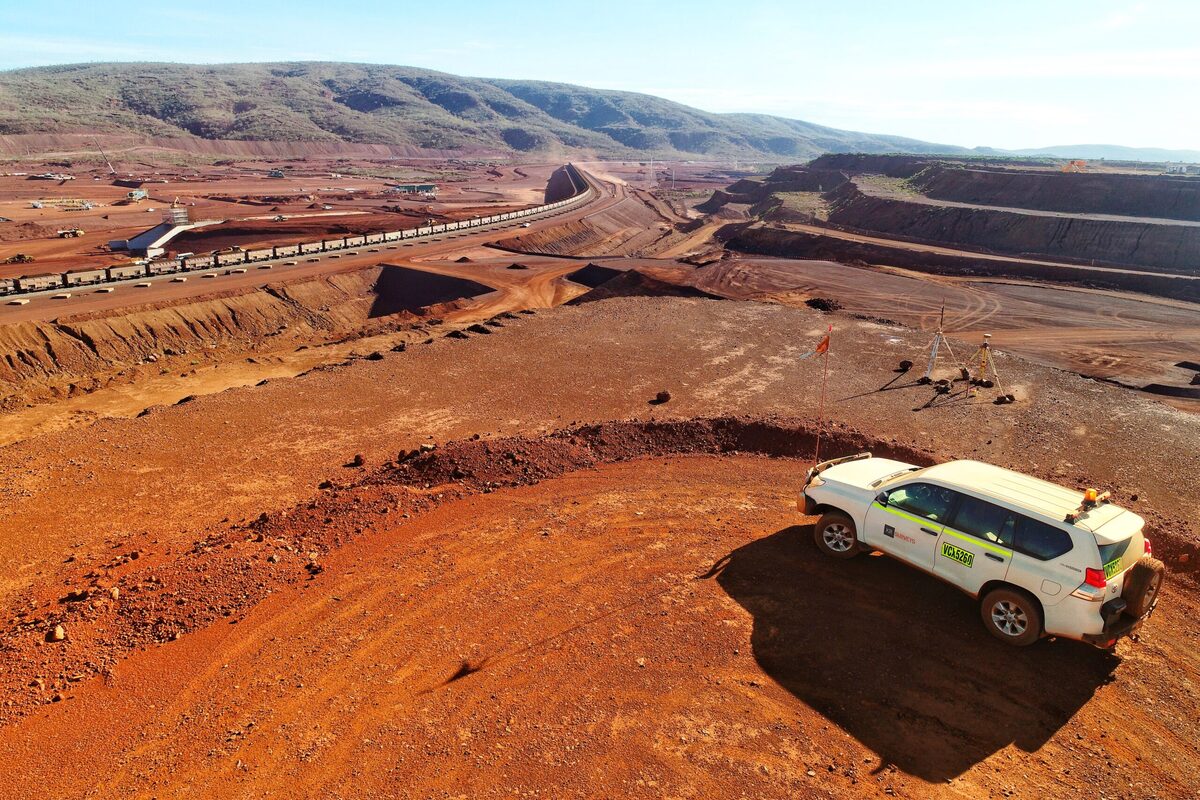
Who is KR Surveys?
KR Surveys is a Perth surveying and utility locating company, established in July 2014. Its surveyors work on everything from major road and rail projects and mine sites to subdivisions and backyard site surveys. Its locating team finds and maps underground services before anyone digs.
Director Alex has been in the industry for more than 15 years, and the business has grown to a team of more than 30. Its own website lists clients including Main Roads WA, Georgiou Group and BMD, and it is an approved ATCO Gas high pressure supervision company.
Every job that comes in needs the same admin before any survey work starts. That admin, repeated job after job, is what this story is about.
Where was KR Surveys with AI before the workshop?
Further along than most businesses we meet. Alex had given around eight of his team access to Claude, and they were using it to write macros and functions for the survey and design software they use every day. He had also automated the company's monthly invoicing himself, turning a full day of work into about a minute.
He did that on his own, before we met. He gave Claude his invoice template and an export from the docket app, refined the output over a few rounds, then had Claude write a Python script he now runs each month. One of his managers had separately built a Power Automate flow that files incoming job paperwork and tracks every job in a spreadsheet.
The problem was that none of it joined up. In Alex's words, it was "all segmented" and "nothing's getting consolidated". He wanted a framework, so the wins stopped sitting with individuals and started working for the whole business.
You get a glimpse of how quickly something like Claude can change a spreadsheet or create a workflow. And it's like, oh wow, we can basically restructure the whole organisation exactly how we want it.
Why did Alex bring two colleagues instead of coming alone?
Because the people who run the work day to day are the ones who will put it in place. On our first call, Alex said the manager he was thinking of bringing would probably implement this more than he would, and get more value from the day because of it.
So there were three seats at our one-day AI workshop: Alex and two colleagues. Before the day, we ran one setup call for all three. Each of them got the Claude desktop app and Claude Code installed, and set up to connect to the Microsoft tools the business already runs on, like Teams and OneDrive. Nobody arrived cold.
They also came with specific jobs in mind. One wanted to streamline invoicing further. Another wanted to automate the way new jobs get set up.
Alex was already automating on his own. What he wanted was for his people to build the same way, so the wins stop being scattered and start adding up. Getting them in the room together is how that starts.
What does setting up a new survey job involve?
Four manual steps, every time. Someone creates the job, gives it a job number, creates a Microsoft Teams channel for it, and then creates an order for it in the docket app. None of it is hard, but all of it is data entry.
KR Surveys runs almost entirely out of Teams, with a channel for every job, so this setup happens for every piece of work that comes in. Each step is typed in by hand, and each one is another chance for a job number or a name to be keyed in wrong.
The goal is one button: enter the job once, and the job number, the Teams channel, the right people and the docket order are all created from it.
What did the team work on at the workshop?
Automating the setup of survey projects. When we asked around the room what people were working on, one of the KR Surveys team put it simply on camera: "Just a little bit of automation within the business, setting up survey projects."
The day has the same shape for everyone. First we cover how to use the tools properly, then each person builds on the job they brought, with us in the room to help. The work KR Surveys started that day points at one target: a one-button job setup app. It is not finished yet, and we will update this page when it is in use.
What is KR Surveys building next?
Two apps. First, the one-button job setup app. After that comes an in-house docket app, to replace the subscription software site staff use today to log their time and get client sign-off.
The docket app is the bigger job, and Alex is clear it has to be solid before it reaches every staff member. The plan is simple: staff enter their times on site, the client signs on the phone or through a link, and the data flows straight into invoicing with no exports in between.
Further out, the team has flagged quoting too: spotting a quote request when it lands in the inbox, creating a Teams channel for it and drafting the proposal. As Alex put it on our first call, they are "pushing forward 100" and want to "go full bottle on it".
| Area | Before | Now or next |
|---|---|---|
| Setting up a new job | Job, job number, Teams channel and docket order, each done by hand | Next: a one-button job setup app |
| Site dockets | A third-party subscription app | An in-house docket app, planned next |
| AI across the business | Useful individual wins that did not join up | The director and two colleagues set up on the same tools and trained together |
Could this work for other project-based businesses?
Yes. Any business that sets up every job the same way by hand, across a job list, Teams or SharePoint and a timesheet app, can turn that setup into one step. Builders, engineers, civil contractors and other survey firms all repeat the same admin at the start of every job.
The approach is the one KR Surveys took: bring the people who do the work, get everyone on the same tools, and pick one repeated job to automate first. We cover that in our corporate AI training. When a tool needs to become a system the whole team relies on, we help build it through AI automation.
Common questions
Did KR Surveys finish the job setup app at the workshop?
Not yet. The work started on the day, when the team began automating how survey projects get set up. A one-button job setup app is the goal they are working toward, with an in-house docket app planned after it.
Is the workshop only for AI beginners?
No. KR Surveys arrived further along than most, with Claude already in use across part of the team and invoicing already automated by the director. The day is built around the job each person brings, so people who are already experimenting spend it on the next thing they want to build.
Can a business bring more than one person?
Yes. Alex came with two colleagues, three seats in total. We ran one setup call for all three before the day, so they arrived on the same tools and could each work on a different job in the same room.
Why build an in-house docket app?
KR Surveys uses its current docket app for one thing: site staff log their time and the client signs off. An app of their own can do exactly that, keep the data in one place alongside Teams and SharePoint, and feed invoicing directly. Alex's rule is that it has to work properly before it goes to every staff member.
Updated 17 September 2026
More of our work
Does every new job start with the same admin?
If your team keys in the same setup steps for every job, that is a good first thing to automate. Tell us how it works today, in plain language, with no pitch.