A steel takeoff can take two days. Roseworx is bringing it to our workshop.
Roseworx Engineering is a family-owned Western Australian steel fabricator with more than 18 years of experience. Before it can price a job, someone has to work out every piece of steel from the drawings, and that takeoff can take up to two days. Brad, the managing director, and Adil, the estimator, are coming to our one-day AI workshop on 24 September to build a faster way, with AI that reads their CAD drawings.
What does Roseworx Engineering do?
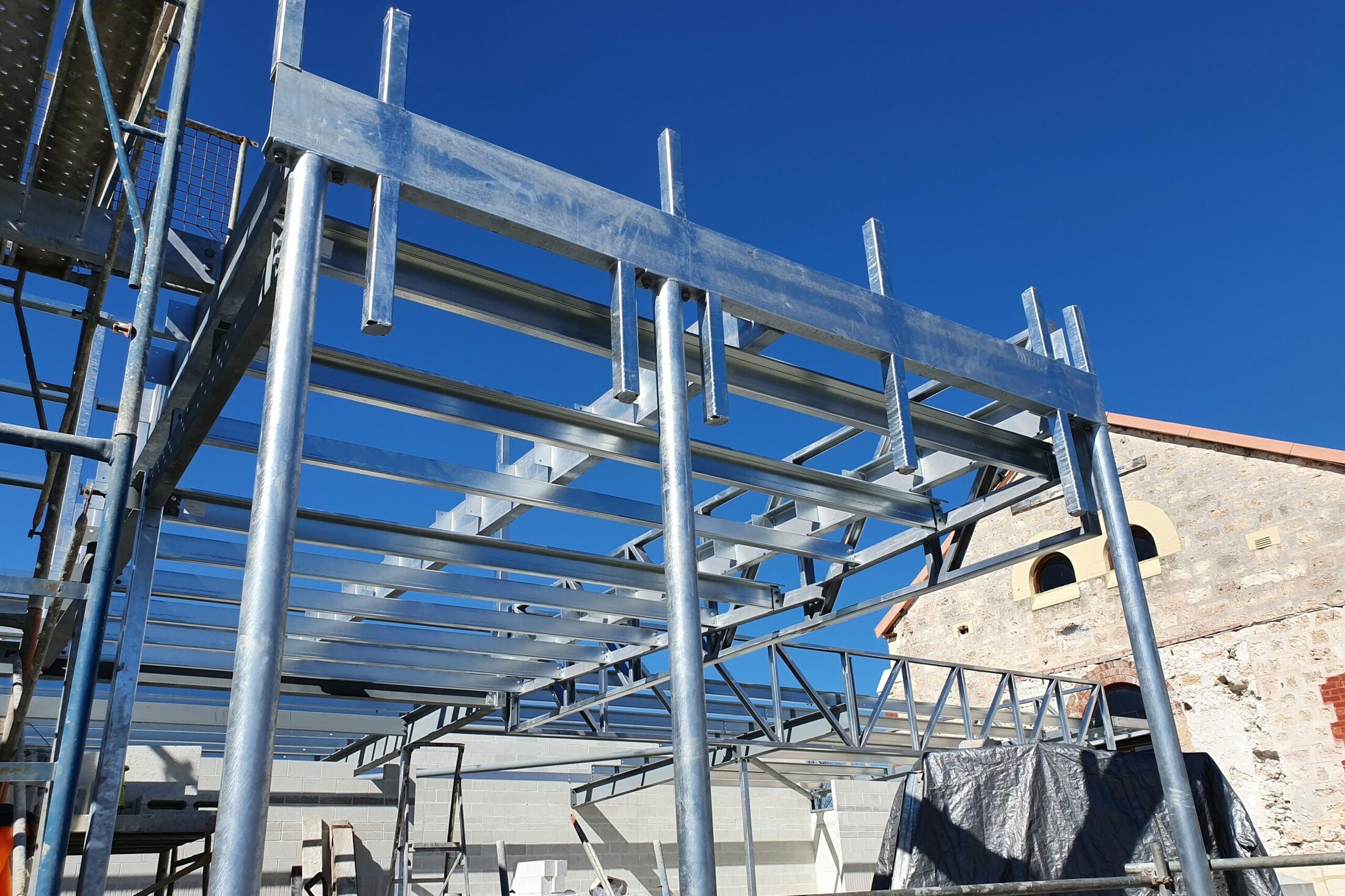
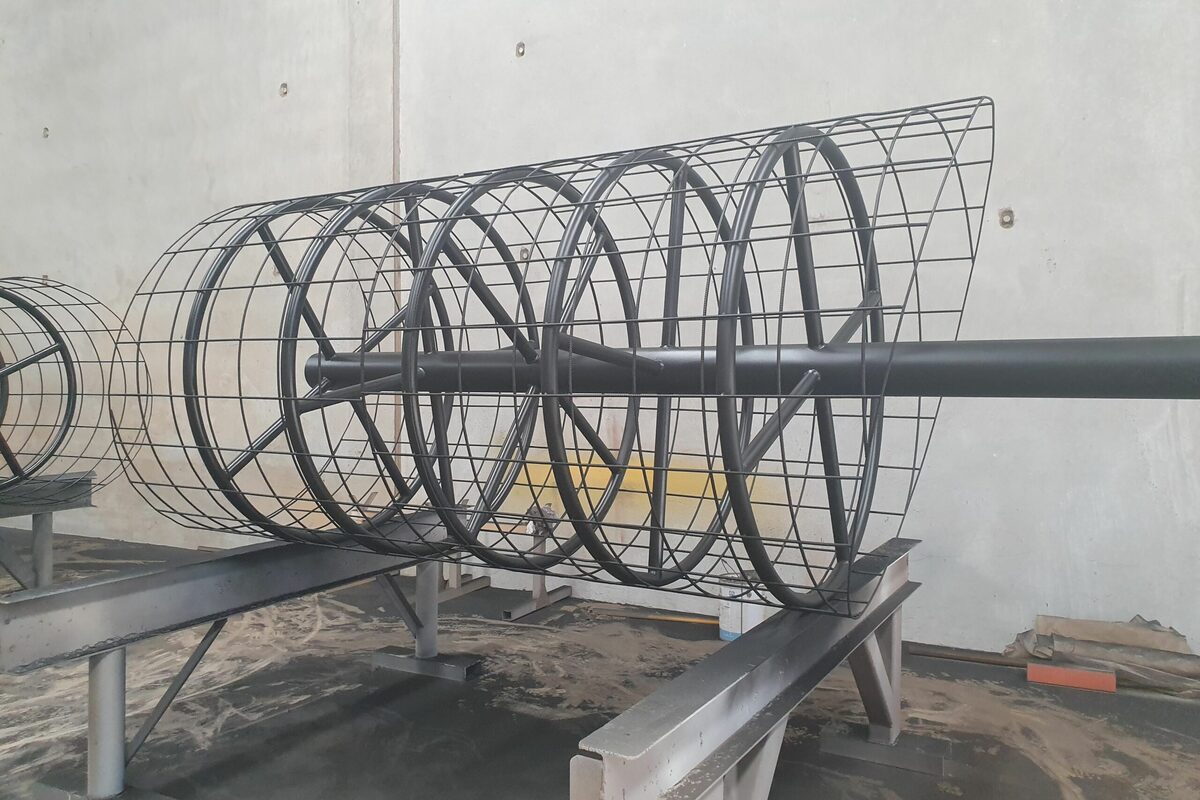
Roseworx is a family-owned steel fabricator in Forrestdale, in Perth's south-east, with more than 18 years of experience. It fabricates structural steel, conveyors, plate work, pressure vessels and pipe work for mining, oil and gas, petrochemical, commercial and residential projects.
The work runs end to end, from a site survey or the client's drawings through engineering, shop detailing, fabrication and surface treatment to installation. Its quality management system works in accordance with ISO 9001, and its website lists projects including the security screening expansion at Perth International Airport, mining steel work for Roy Hill and structural steel for The Old Synagogue in Fremantle.
Most of its work comes by word of mouth. Brad told us they stick with the clients they already have and let the work speak for itself.
What is a takeoff, and why does it take so long?
A takeoff is working out every piece of steel a job needs from the engineers' and architects' drawings, so the job can be priced. At Roseworx a straightforward job takes a couple of hours, a bigger one around a day, and up to two days once everything has been double-checked.
It is careful, manual work. Brad described measuring lines point to point, on an A3 page or on screen, while reading the plan view, side views, elevations, sections and details together, and keeping all of them in mind through the whole takeoff.
How long it takes depends on the size of the job and the type of building. The price for the job waits on it either way.
Why does a faster takeoff matter?
Because the takeoff sets how many quotes can go out. Brad's reasoning is simple: shorter takeoffs mean more quotes, and more quotes mean a better chance of winning work.
If we can shorten that time frame, obviously it'll increase the volume of quotes that are going out and increase the likelihood of us picking up some work.
It is the one job they want to fix first. When we asked about other parts of the business, Brad said takeoffs were the main focus, and other improvements could wait until this one is sorted properly.
What have they already tried with AI?
Roseworx already uses Claude for emails and documents, and has tried it on takeoffs using PDF drawings. Brad's verdict on the takeoffs: "It's helpful, but it's not as accurate as what it needs to be."
His view is that AI needs to work from the drawing files themselves, not from PDFs. In AutoCAD he can click from line to line and get measurements accurate to a tenth of a millimetre, and for some jobs they can get 3D models that would be more accurate again. If AI can read those files, he reckons a takeoff "could be done within half an hour or maybe even less."
Bluebeam, the program they use to mark up drawings and do takeoffs, is part of the plan too. Brad has only just started using it, which is part of why he wants everything connected together. So far his AI use has been everyday work in Claude. He has not built anything with Claude Code, the tool we teach for building apps and connecting software, yet.
What will they build at the workshop?
A faster takeoff. Brad and Adil are coming to our one-day AI workshop in Perth on Thursday 24 September, where people bring a real job from their own work and build it on the day. Their job is getting Claude to read their AutoCAD drawings, work alongside Bluebeam and produce a takeoff the way they would.
This is the method we talked through on the call:
- Connect AutoCAD and Bluebeam to Claude Code
- Run a takeoff on a real set of drawings and check it against their own
- Tell Claude what it got wrong, and repeat until the takeoff matches how they do it
- Save that method as a skill, a set of instructions Claude follows the same way every time
Nothing is built yet. We were upfront on the call that we had not done this exact build before. Our research on the call suggested both programs can be connected. How accurate the takeoffs get is what the day will test.
I don't want to promise you the world and tell you that it can do this when it can't do it reliably.
How are they getting ready for the day?
With an onboarding call before the workshop. It is planned for Friday 18 September, to sort out the API keys and connect Bluebeam and AutoCAD, so the workshop day goes on building rather than setup.
Before the day, attendees also work through a short set of onboarding videos and get Claude Code installed, so nobody spends the morning on setup. If they get the chance, Brad plans to have a go at the connections himself first, then have us run through them and check they are sorted.
| Area | Today | The plan |
|---|---|---|
| Takeoff time | A couple of hours to two days, depending on the job | Brad's target: half an hour or less |
| Reading the drawings | Measured point to point, on paper or on screen | Claude reading the AutoCAD drawings, with Bluebeam connected |
| AI on takeoffs | Tried with PDFs, helpful but not accurate enough | Trained on their own takeoffs, then saved as a skill |
| Building with AI | Claude for emails and documents | Claude Code, from the workshop on 24 September |
Could this work for other fabricators?
That is what Roseworx is testing. Any business that prices custom work from drawings has the same slow step: someone skilled measuring plans by hand before a quote can go out. The approach is to connect AI to the files the work already lives in, and teach it the way the team does the job.
That is how we run our training: hands-on, on your real work. See AI training for the workshop, or automate quoting if you would rather we build it for you.
Common questions
Has Roseworx automated its takeoffs yet?
Not yet. Brad and Adil are coming to our one-day AI workshop on 24 September to build it, with an onboarding call beforehand to connect AutoCAD and Bluebeam. We will update this page once there is something to show.
Why not just give AI the PDF drawings?
Roseworx tried that. Brad found it helpful, but not as accurate as a takeoff needs to be. The plan is to have AI work from the AutoCAD files themselves, where he can already measure line to line to a tenth of a millimetre.
What happens at the one-day AI workshop?
It is a hands-on day in Perth. People bring a real job from their own work, build it on the day with us in the room, and get follow-up support afterwards.
Updated 17 September 2026
More of our work
Pricing jobs off drawings by hand?
If your quotes wait on someone measuring plans, tell us how that works in your business today. We will tell you whether training, a build or both makes sense, in plain language, with no pitch.